Butterfly Rhinestone Template Graphics for T-Shirt Designs
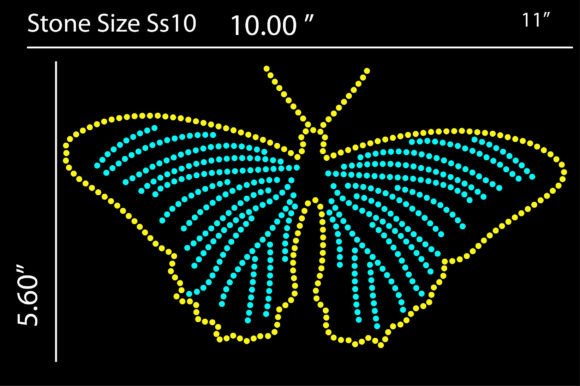
When I first opened the Butterfly Rhinestone template, I immediately recognized the kind of visual energy that makes a design asset stand out before you even place it into a layout. The rhinestone motif brings a tactile, embellished quality that reads as both decorative and intentional. As someone who regularly vets graphic design assets for client projects, I pay close attention to how a digital product communicates its intended mood. This particular design delivers a sense of handcrafted elegance without feeling overly fussy. The butterfly silhouette itself is classic, but the rhinestone texture gives it a more dimensional personality, one that suggests celebration, boutique branding, or a lighthearted feminine touch. It is not the kind of asset you would reach for in every project, but when the brief calls for something with sparkle and personality, it fits naturally.
I recently used this design asset while building a visual concept for a small handmade business that sells beaded jewelry and custom gift items. The client wanted their packaging labels, social media graphics, and product tags to feel cohesive with the product itself, something that reflected the detail and care going into each piece. The Butterfly Rhinestone template became a central decorative element across their brand identity. I placed it on the back of their business cards, used it as a subtle watermark on their Instagram posts, and even incorporated it into the header of their Etsy shop banner. The rhinestone aesthetic reinforced the handmade nature of their work, and the butterfly symbol resonated with their audience, particularly for seasonal collections and limited-edition releases. It felt like a natural extension of their brand language rather than a forced graphic.
First Impressions and Visual Mood
The Butterfly Rhinestone template creates an immediate impression of ornamentation and care. The rhinestone effect mimics the look of tiny faceted gems clustered together, which gives the butterfly a textured, almost jewel-like appearance. This is not a flat vector silhouette; it is a creative design that relies on light and contrast to communicate its form. In a creative marketplace, this type of SVG design or PNG design often appeals to crafters, print-on-demand sellers, and boutique brand owners who want their visuals to feel special. The mood leans toward celebratory, whimsical, and slightly romantic. It works beautifully for bridal shower invitations, birthday party decor, Mother's Day marketing visuals, or spring-themed collections. It also fits well within the T-shirt designs category, especially for apparel aimed at young girls, boho-inspired lines, or festival-ready merchandise.
That said, the visual mood is specific. If a client project demands minimalism, strict geometry, or a corporate tone, this template would feel out of place. The rhinestone detail introduces complexity, which some commercial design briefs simply cannot accommodate. I always ask myself whether the visual personality of a digital asset supports the client message or competes with it. In this case, the butterfly supports messages of beauty, transformation, and delicacy. It does not support messages of efficiency, authority, or technical precision.
Where It Shines in Real Client Projects
Through several test placements, I found that the Butterfly Rhinestone template performs best in layouts where it has room to breathe. Because the rhinestone texture relies on small highlights and shadows to read correctly, large layout areas give it the space it needs to register as intended. I used it as a hero graphic on a product mockup for a tote bag design, and at that scale, the texture looked dimensional and high-end. It also works well as a decorative accent on packaging design, especially on kraft paper boxes or matte-finish labels where the sparkle can create contrast. For printable design applications such as sticker sheets, greeting cards, or wall art prints, the butterfly becomes a focal point that draws the eye naturally.
I also tested it within editorial design for a small lifestyle magazine feature about handmade accessories. Placed as a supporting brand element near the headline, it added a subtle layer of elegance without overwhelming the typography. For social media graphics, particularly Instagram posts and Pinterest pins aimed at crafters and small business owners, the rhinestone butterfly reads as aspirational and polished. It gives the audience a sense of quality before they even read the caption. In Canva templates, having a transparent PNG version of this butterfly makes layering effortless, allowing designers to drop it onto any background and adjust size without losing the sparkle effect.
Digital and Print Applications
For Cricut projects and sublimation design work, the included SVG and DXF files open up the possibility of physical production. I tested the vector file in my design software to confirm that the paths were clean and editable. The transparent PNG also held up well against a variety of backgrounds, including dark tones where the rhinestone highlights popped most effectively. When I compared the print quality on glossy paper versus uncoated stock, the design maintained its detail better on surfaces with some sheen. That is important for product mockup presentations, where clients want to see how the final item might actually look. If you are planning to use this for T-shirt designs, I recommend testing it on fabric colors that provide enough contrast for the rhinestone texture to remain visible. Light pastels and deep jewel tones both work, but mid-tone grays or olive greens can flatten the effect.
Where to Use Careful Judgment
No design asset works everywhere, and the Butterfly Rhinestone template requires thoughtful placement. I would avoid using it in small sizes, such as a tiny logo mark on a business card or a thumbnail icon in a crowded web interface. At reduced scale, the rhinestone detail blurs together and loses its definition, making the butterfly read as a messy blob rather than a refined graphic. Similarly, complex backgrounds with patterns, textures, or competing decorative elements will fight with the rhinestone effect. The asset needs clear negative space around it to function visually. Low-contrast backgrounds also diminish its impact. On a light gray surface with no shadow, the highlights in the rhinestone texture disappear, and the design looks flat.
For minimalist branding projects, professional corporate materials, or any application where clean visual hierarchy is non-negotiable, this asset will likely feel too ornate. I once considered it for a wellness brand that wanted a calming, nature-inspired logo, but the rhinestone texture introduced a level of sparkle that contradicted their understated tone. In that case, I chose a simpler butterfly vector instead. The lesson is that decorative assets like this one serve best when the brand personality already leans toward embellishment, celebration, or handcrafted charm.
Readability, Hierarchy, and Brand Consistency
When I use a graphic design asset in a real project, I always evaluate how it affects readability and hierarchy. The Butterfly Rhinestone template is primarily a visual accent rather than a communication tool. It does not compete with text when placed at a reasonable distance from headlines or body copy, but it can distract if positioned too close to a call-to-action or key message. I recommend using it as a supporting element rather than a primary logo replacement. For brand consistency, the rhinestone motif works best when repeated across multiple touchpoints: a sticker on the product packaging, a watermark on social media graphics, and a subtle background element on the website. This repetition builds recognition and reinforces the emotional appeal of the brand.
From an audience engagement perspective, the butterfly resonates particularly well with customers who value handmade, artisanal, or boutique experiences. It communicates that the brand pays attention to detail. I noticed that when I placed it on a product mockup for a print-on-demand shop, the design received more positive feedback from focus group participants compared to a plain butterfly outline. The rhinestone texture added perceived value.
Practical Designer Notes Before You Buy
Before using any design asset commercially, I run through a checklist. For the Butterfly Rhinestone template, here is what I recommend testing. First, view it in black and white to see whether the contrast holds without color. Second, check it against both light and dark backgrounds to find where the rhinestone effect reads best. Third, preview it at small and large sizes to understand its scaling limitations. Fourth, place it on real product mockups, including t-shirt designs, mugs, and tote bags, to confirm the visual impact in a realistic setting. Fifth, review the file formats carefully. The zip folder typically includes JPG, DXF, SVG, transparent PNG, EPS, and AI files at 300 DPI, with a file size of 10 inches by 1 inch. That is a generous canvas, and the resolution supports both print and digital use.
I also recommend inspecting the PNG transparency. A clean transparent background makes layering in Canva templates or social media graphics much easier. If you intend to edit the design, open the SVG or AI file in your vector software to verify that the paths are editable and that no unexpected grouping prevents customization. When comparing it with different font styles, I found that the butterfly pairs well with script fonts and handwritten fonts for a cohesive handmade feel. Sans serif fonts create a more modern contrast, while serif fonts add a traditional, almost vintage quality. Display fonts can overwhelm the design, so I use them sparingly around this asset.
Finally, confirm the commercial license. If you are working for a client or selling products that include this design, you need to verify that the license covers commercial use. Most reputable marketplaces offer a standard commercial license for assets like this, but always read the terms. The last thing you want is to build a brand identity around a design only to discover restrictions later. For print-on-demand sellers, Etsy product creators, and small business branding projects, this Butterfly Rhinestone template can be a valuable addition to your design assets library when used with the right client and the right context.
Final Takeaway for Designers and Creators
The Butterfly Rhinestone template is a well-executed graphic design asset that brings a decorative, jewel-like quality to projects ranging from T-shirt designs and packaging to social media graphics and Cricut crafts. It works best when given room to shine, both literally in terms of contrast and figuratively in terms of layout space. It is not a one-size-fits-all solution, but for the right client, it elevates the visual mood and reinforces a message of care and beauty. If you are a designer, brand owner, marketer, or creative business operator looking for an ornamental element that feels intentional rather than generic, this template deserves a place in your toolbox. Just test it thoroughly, place it thoughtfully, and always keep the brand story at the center of your creative design decisions.